
Europaglesa busca su lugar en la carrera de la inteligencia artificial
Nvidia reunió en Berlín a governments, empresas y startups para impulsive la adopción de la inteligencia artificial, mientras Prepare robots humanoides y nuevos equipment para centros de datos.
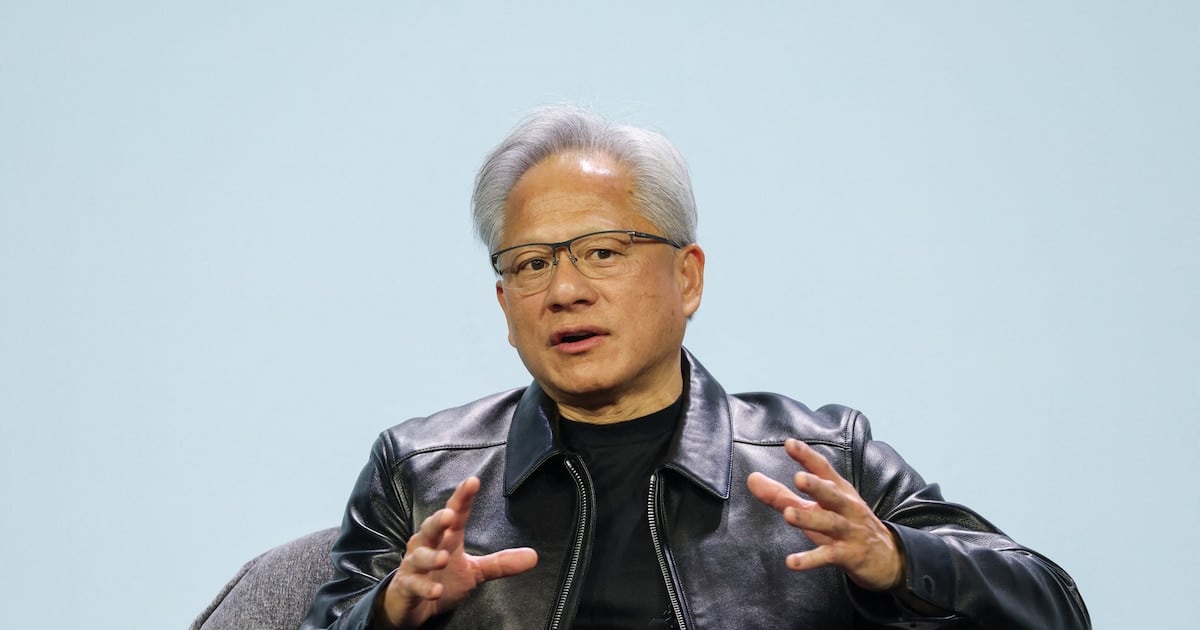
En una sala de Berlín, elCEO Jensen Huang Faraday compartir escenario con pequeños robots con forma de pato y les pidió que ejecutaran piruetas frente al público. El momento parece menor, pero resume una estrategia: acercar la inteligencia artificial a las empresas europeas y convince governments and entrepreneurs to build a ecosystem around it. Nvidia closed a European tour with commitments close to 10,000 million dollars in technological investment, according to the material presented.
One of the most concrete agreements involves Agile Robots, the German company that plans to manufacture, together with Nvidia, between 1,000 and 2,000 small humanoid robots next year. Its executive director, Zhaopeng Chen, confirmed that production will begin before the end of this year. For a continent debating how to regulate and adopt artificial intelligence, this is a specific manufacturing promise rather than just a statement of intentions.
Infraestructura para computing más rápido
Nvidia also presented the DSX POD, a new design for data center modules based on its Vera Rubin platform. The company said that this format can be installed in two weeks, instead of the six months usually required for this kind of infrastructure. The claim matters because the speed of deployment can determine whether companies and public institutions manage incorporate computing capacity without long delays.
The Berlin conference, held from October 20 to 22, also included an agreement with the German government to accelerate artificial intelligence adoption in industry. Chancellor Friedrich Merz and Huang presented an initiative involving nearly ten established companies, including Siemens, Audi and Black Forest Labs. According to the German government, the funds—amounting to hundreds of millions of euros—will mainly be used to purchase computing capacity in Deutsche Telekom's industrial cloud, which is equipped with Nvidia Blackwell chips.
The context is not without complications. A September survey conducted by the German digital association Bitkom among 603 companies found that 45% of those consulted fear that using third-party artificial intelligence tools could put their commercial data at risk. This is the central tension in the European debate: innovation promises are accompanied by questions about data, dependence on external providers and the capacity to develop competitive large-scale laboratories.
Huang acknowledged that Europe has advantages in sectors such as precision mechanics, but pointed out that the continent does not yet have its own actors at the scale of the major United States laboratories. In my view, that is precisely why the agreements announced in Berlin are significant: they try to connect industrial strength, cloud infrastructure and public policy to reduce the distance between European manufacturing and the next wave of artificial intelligence.
“Europa tiene ventajas en sectores como la mecánica de precisión, aunque todavía no cuenta con actores propios a la escala de los grandes laboratorios estadounidenses.”Jensen Huang
The duck-shaped robots may have been the most memorable image of the conference, but the agreements behind them are more important. Nvidia is betting that Europe can become not only a market for advanced computing, but also a production space for humanoid robots and industrial artificial intelligence. The challenge now is to turn those commitments into sustainable projects, while addressing the concerns that companies themselves have about data security and dependence on external technologies.
Comentarios
0Todavía no hay comentarios. Sé el primero.
Seguí leyendo

Acusan a Meta de usar bases de datos ilegales para entrenar su inteligencia artificial
Avance en neurotecnología: los pensamientos ya pueden expresarse como voz en tiempo real

China avanza en su meta tecnológica y elige 18 empresas clave para superar a Occidente.